


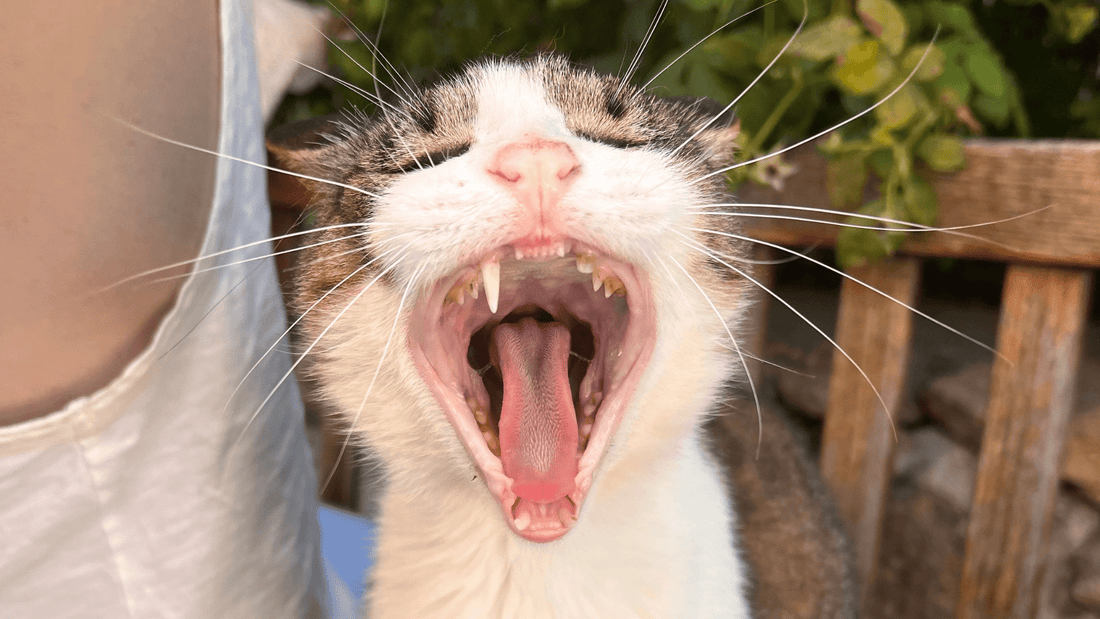
Why Does My Cat Have Bad Breath? Causes and What to Do
If you've ever leaned in for a cuddle with your feline friend only to be greeted by an unpleasant smell, you're not alone.
While cats aren't known for minty-fresh breath, persistent bad odor is often a sign that something isn't quite right. Cat halitosis—the technical term for bad breath in cats—can range from mildly unpleasant to downright foul, and understanding its cause is crucial for maintaining your pet's health and quality of life.
In this comprehensive guide, we'll explore the common causes of bad breath in cats, help you determine when it's a cause for concern, and provide practical solutions to address the underlying issues. From dental disease to systemic health problems, you'll learn how to identify potential problems and take appropriate action to keep your cat healthy and their breath fresher.
What causes bad breath in cats?
While an occasional whiff of something unpleasant after your cat eats isn't necessarily cause for alarm, persistent bad breath typically signals an underlying issue. According to veterinary experience, approximately 70% of cats over three years old have some form of dental disease, making it the most common cause of halitosis—but it's not the only culprit.
Dental and Oral Health Issues
Dental problems are the primary cause of foul-smelling breath in felines. When bacteria build up on your cat's teeth, they form plaque that eventually hardens into tartar, leading to several conditions:
- Gingivitis: Inflammation of the gums appears as a red line along the gumline. This early stage of gum disease can be reversed with proper care.
- Periodontitis: If gingivitis progresses, it can lead to periodontitis, which affects the tissues supporting the teeth and can cause tooth loss.
- Stomatitis: This severe, painful inflammation of the mouth's soft tissues can cause extreme discomfort and halitosis.
Watch for symptoms such as red, swollen gums, excessive drooling, difficulty eating, pawing at the mouth, visible yellow or brown tartar on teeth, and of course, persistent foul breath.
These signs indicate your feline companion needs veterinary attention.
Systemic and Metabolic Conditions
Sometimes, the mouth odor isn't coming from the mouth at all but is a symptom of an internal issue:
- Kidney disease: When kidneys can't efficiently filter waste products, toxins build up in the bloodstream. This often creates a distinct ammonia or urine-like smell on your feline's breath.
- Diabetes: Uncontrolled diabetes can cause a sweet or fruity breath odor, often accompanied by increased thirst, urination, and weight loss despite a good appetite.
- Liver disease: Liver problems may result in a distinctly foul or sour breath and sometimes yellowing of the gums (jaundice).
- Oral tumors: Though less common, cancerous growths in the mouth can cause bad breath along with unusual swelling, bleeding, or difficulty eating.
These conditions require immediate veterinary attention as they can significantly impact your pet's overall health and quality of life.

Other Causes
Several other issues may contribute to your furry companion's breath problems:
- Foreign objects: Curious felines sometimes get items stuck in their teeth or gums, causing infection and odor.
- Teething: Kittens going through teething may have temporarily unpleasant breath.
- Diet: Fish-based foods or poor-quality nutrition can affect breath odor.
- Gastrointestinal issues: Problems in the digestive tract can cause bad breath.
- Respiratory infections: Upper airway or sinus infections may contribute to unusual smells.
Is cat bad breath ever "normal"?
Not all unpleasant odors from your pet's mouth indicate a health problem. After consuming certain foods—particularly wet food or fish-flavored varieties—your cat might have temporarily smelly breath. This dietary-related odor typically dissipates within a few hours and shouldn't be persistent or overwhelming.
What's not normal is a strong, persistent, or suddenly developed foul odor. Any significant change in your feline's breath smell, especially when accompanied by other symptoms like behavior changes, difficulty eating, or changes in drinking or urination habits, warrants attention. Remember that cats are masters at hiding discomfort, so breath changes might be one of the first noticeable signs of a health issue.
How to get rid of your cat's bad breath
Addressing halitosis means tackling the underlying cause rather than simply masking the smell. Here's a comprehensive approach to improving your feline's oral health and freshening their breath:
When to see the vet
Certain situations require prompt professional attention. Schedule a veterinary visit if you notice:
- Extremely foul or unusual breath odor
- Bleeding from the mouth
- Difficulty eating or decreased appetite
- Excessive drooling
- Pawing at the mouth
- Yellow or brown buildup on teeth
- Red, swollen, or bleeding gums
- Changes in behavior, drinking, or urination habits
Your veterinarian can perform a thorough examination, possibly including dental X-rays to check below the gumline where many problems hide.
Professional dental cleaning under anesthesia may be necessary to address severe tartar buildup or dental disease.
At-home care and prevention
Proactive dental care can prevent many causes of bad breath and improve your cat's overall health:
Brushing your cat's teeth
While it may sound challenging, regular tooth brushing is the gold standard for feline oral health:
- Use only cat-specific toothpaste (never human toothpaste, which contains harmful ingredients)
- Start with a finger brush or gauze wrapped around your finger before progressing to a small, cat-specific toothbrush
- Begin slowly—first let your cat taste the toothpaste, then gently touch their teeth and gums, gradually working up to actual brushing
- Focus on the outer surfaces of the teeth where plaque accumulates most
- Keep sessions short (30 seconds to a minute) and positive
- Reward with praise and perhaps a favorite treat afterward
Even brushing a few times weekly can significantly reduce plaque buildup and improve breath odor.
The key is patience and positive reinforcement—many cats can eventually accept tooth brushing as part of their routine.
Regular check-ups
Schedule annual veterinary examinations that include dental assessments. Many oral health problems develop gradually and can be addressed more easily when caught early. Your vet can recommend the appropriate cleaning schedule based on your individual feline's oral health status.
Appropriate diet
Feed your cat high-quality, nutritionally complete food appropriate for their age and health status. Avoid giving table scraps or sugary treats that can contribute to dental problems. Some cats do better on dry food for dental health, while others may need wet food for other health reasons—your vet can help determine the best approach.
Cat bad breath FAQ
Is it normal for my cat's breath to smell bad?
Mild scent after eating is normal, but persistent or strong odors can indicate health or dental problems.
Can my cat's diet cause bad breath?
Yes, wet or fish-based foods can temporarily affect breath odor, but ongoing bad breath usually points to dental or medical issues.
What illnesses cause bad breath in cats?
Dental disease, kidney failure, diabetes, liver disease, and oral cancers are possible causes of halitosis.
How can I freshen my cat's breath at home?
Regular tooth brushing, dental treats, and a balanced diet can help, but see a vet if odor persists.
When should I take my cat to the vet for bad breath?
If the odor is severe, sudden, accompanied by symptoms (drooling, bleeding, appetite loss), or lasts more than a few days.