
Understanding the Double Coat in Dogs: What It Means for Your Pet
If you've ever been amazed by how comfortable your Husky looks in the snow or wondered why your Golden Retriever seems to shed enough fur to create another dog entirely, the answer lies in their double coat. This specialized fur structure is a fascinating evolutionary adaptation found in many popular dog breeds. A double coat consists of two distinct layers of fur: a soft, insulating undercoat and a longer, protective topcoat that work together to keep dogs comfortable in various environments and weather conditions.
Double coats serve as natural climate control systems, providing warmth in winter and cooling in summer, while protecting your dog from the elements and potential skin irritants. Understanding this unique feature is essential whether you already own a double-coated breed or are considering bringing one into your home. In this guide, you'll discover what makes double coats special, which breeds have them, how to properly care for them, and why certain common practices (like shaving) might do more harm than good.
What is a double coat? Anatomy & purpose
A double coat is exactly what its name suggests: two distinct layers of fur that serve different but complementary functions. The outer layer, known as the topcoat or guard coat, consists of longer, coarser hairs that repel water and shield the dog from dirt, debris, and harmful UV rays. Beneath this protective layer lies the undercoat, a dense, soft, and fluffy layer that acts primarily as insulation, trapping warm air close to the skin in cold weather.
The physical structure of double coats varies significantly from single coats. While single-coated breeds like Poodles or Maltese have just one layer of continuously growing hair (similar to human hair), double-coated dogs have two distinct layers with different growth cycles. The undercoat is typically shorter, softer, and much denser than the topcoat, creating that plush, luxurious feel many owners love.
From an evolutionary standpoint, double coats developed as adaptations to specific environments and working conditions. Arctic breeds like the Samoyed and Alaskan Malamute evolved their thick double coats to survive frigid temperatures. Water-retrieving breeds like Labrador Retrievers developed water-resistant double coats to stay warm and dry during water retrieval work. Even smaller breeds like Pomeranians maintain double coats as a remnant of their spitz-type heritage from colder regions.
The undercoat and topcoat combination provides remarkable insulation properties. In winter, the dense undercoat traps warm air against the skin, creating a natural thermal layer. During summer, this same coat structure actually helps cool the dog by providing insulation against heat and allowing air circulation between the layers. This natural temperature regulation system works efficiently when it's maintained properly.
Comparison with single coats
Single-coated breeds like Greyhounds, Dalmatians, and Boxers have only one layer of fur. These coats tend to be shorter, shed less continuously, and require less intensive grooming than double coats. However, single coats offer less natural protection from temperature extremes and environmental elements. Single-coated dogs often need sweaters in cold weather and sunscreen in hot, sunny conditions, which double-coated breeds rarely require.
While double-coated dogs experience dramatic seasonal shedding (often called "blowing their coat"), single-coated dogs typically shed more consistently year-round but in smaller amounts. The maintenance difference is significant. Single coats usually require less frequent brushing but may need more bathing, while double coats need regular, sometimes daily brushing but can often go longer between baths.
Double-coated dog breeds: Who has one?
Double coats appear across various breed groups, from tiny companion dogs to massive working breeds. Understanding which category your dog falls into can help you provide appropriate care and anticipate seasonal needs. Here's a breakdown of some common double-coated breeds by category: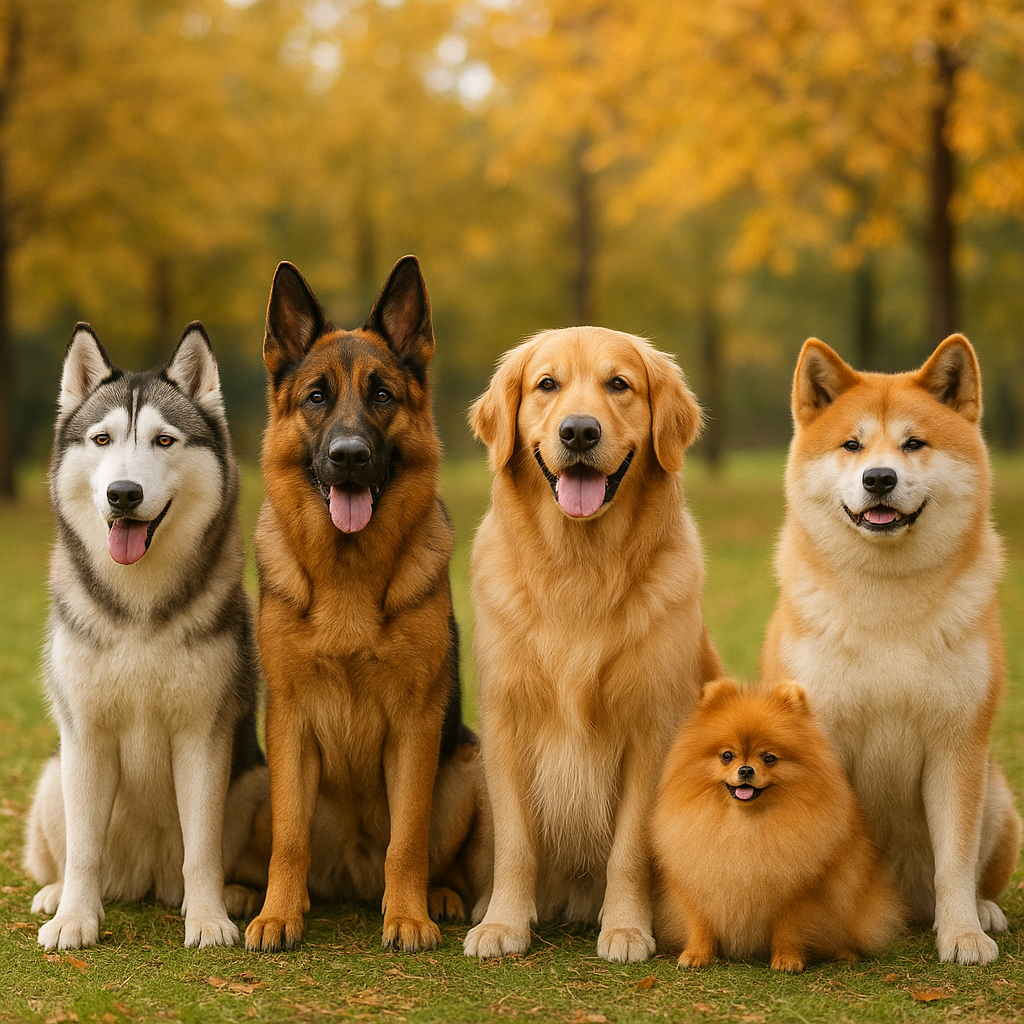
Arctic/Northern breeds: These dogs have some of the most pronounced double coats, with exceptionally thick undercoats designed for extreme cold:
- Siberian Husky: featuring a medium-length coat with a dense, soft undercoat
- Alaskan Malamute: with an extremely thick, coarse outer coat and woolly undercoat
- Samoyed: recognized for their beautiful white, fluffy double coat that requires significant maintenance
- Akita: possessing a dense undercoat with a straight, harsh outer coat
Herding breeds: These working dogs developed double coats to withstand long days in varying weather conditions:
- German Shepherd: with a medium-length double coat that varies in density by bloodline
- Australian Shepherd: featuring a moderate-length weather-resistant double coat
- Border Collie: with a weather-resistant coat that varies from smooth to rough
- Pembroke and Cardigan Welsh Corgis: sporting short but dense double coats
Sporting/Retrieving breeds: These dogs have water-resistant double coats designed for work in fields and water:
- Labrador Retriever: with a short, dense water-repellent coat
- Golden Retriever: featuring a longer, water-resistant outer coat with a thick undercoat
- Chesapeake Bay Retriever: possessing an oily, wavy coat that provides exceptional water resistance
- Newfoundland: with an extremely thick double coat designed for cold water rescue
Spitz-type and toy breeds: Many smaller dogs retain double coats from their working ancestors:
- Pomeranian: with a fluffy double coat derived from larger spitz ancestors
- Shiba Inu: featuring a stiff outer coat with a soft, thick undercoat
- Keeshond: known for their distinctive "spectacles" and plush gray double coat
- American Eskimo Dog: with a bright white double coat requiring regular maintenance
These breeds developed their specialized coats as adaptations to their original environments and working purposes. Arctic breeds needed extreme insulation against freezing temperatures. Water retrievers required water-resistant properties to stay warm during water work. Herding breeds benefited from versatile coats that could handle temperature fluctuations while working outdoors. Understanding your breed's coat heritage helps explain their grooming needs and shedding patterns.
The functionality of a double coat: Keeping your dog comfortable all year
Double coats function as sophisticated natural climate control systems that work efficiently year-round. During winter months, the dense undercoat traps warm air close to the skin, creating an insulating layer similar to how thermal clothing works for humans. The guard hairs of the topcoat then protect this warm layer from compression, moisture, and wind. Together, they form a complete weatherproofing system.
Contrary to popular belief, double coats also help dogs stay cool during warm weather. The insulating properties work both ways, helping to keep hot air away from the skin. The structure of the coat allows for air circulation between the layers, creating a ventilation effect. Additionally, the topcoat reflects sunlight rather than absorbing it, providing natural sun protection. This explains why your Husky or Malamute can function effectively in moderately warm weather when provided with shade and water.
One of the most persistent myths about double-coated breeds is that shaving them helps them stay cooler in summer. This misconception leads many well-intentioned owners to make a decision that can harm their dog's natural cooling system. When you shave a double-coated dog, you remove the precisely engineered coat structure that provides natural cooling. Without the proper coat layers, dogs lose their ability to regulate temperature effectively and become more vulnerable to overheating, not less.
Shaving double-coated dogs carries several significant risks. First, it exposes their sensitive skin to harmful UV rays, increasing sunburn risk. Second, it disrupts the natural shedding cycle and can permanently damage the coat, causing it to grow back irregularly with a different texture. This new growth is often more prone to matting and offers less weather resistance. Third, without their protective topcoat, dogs become more vulnerable to insect bites, skin irritations, and environmental allergens.
The natural shedding process is how double-coated breeds adapt to seasonal changes. During spring, they "blow" their dense winter undercoat to prepare for warmer weather. In fall, they shed again to make room for a fresh, thick winter coat. This cycle ensures they always have the appropriate insulation for current conditions. Shaving completely disrupts this system.
When is shaving ever necessary?
There are rare exceptions when partial shaving of a double-coated dog might be necessary. Medical reasons, such as preparing for surgery, treating severe skin conditions, or addressing extreme matting that cannot be resolved through other means, may require shaving. In these cases, veterinarians or professional groomers should perform the procedure, focusing only on the affected areas when possible.
For elderly or mobility-impaired dogs who can no longer tolerate full grooming sessions, strategic trimming (not complete shaving) might be recommended by professionals to reduce maintenance while preserving as much of the coat's functionality as possible. Always consult with a veterinarian before making such decisions, as they can assess whether the potential benefits outweigh the risks in your dog's specific situation.
Grooming and maintaining double-coated dogs
Proper grooming is essential for keeping double-coated breeds healthy and comfortable.
Regular brushing does more than prevent matting and reduce shedding around your home. It helps distribute natural oils through the coat, removes dead hair that can impede proper insulation, and gives you an opportunity to check for skin issues, parasites, or abnormalities.
The foundation of double coat maintenance is a consistent brushing routine. For most double-coated breeds, brushing 2-3 times per week is sufficient during normal periods. However, during seasonal shedding or "blowing coat" phases (typically spring and fall), daily brushing becomes necessary to manage the dramatic increase in loose fur and prevent matting.
Using the right tools makes all the difference in double coat maintenance. An undercoat rake or deshedding tool reaches through the topcoat to remove loose undercoat without damaging the guard hairs. A slicker brush helps detangle and remove debris from the topcoat. Pin brushes work well for longer-coated breeds to prevent breakage. For heavily shedding periods, high-velocity dryers (available at self-wash facilities or grooming salons) can blast out loose undercoat safely and efficiently.
Bathing double-coated dogs requires a balanced approach. Over-bathing strips natural oils and can dry out skin, while under-bathing allows dirt and oil to build up. Most double-coated breeds benefit from bathing every 6-8 weeks, using dog-specific shampoos formulated for their coat type. Always brush thoroughly before bathing to remove loose undercoat (which becomes a matted mess when wet) and completely dry your dog afterward, as trapped moisture between coat layers can cause skin problems.
Nutrition plays a crucial role in coat health. Diets rich in omega-3 and omega-6 fatty acids support healthy skin and coat development. Quality protein sources provide the building blocks for hair growth, while vitamins like biotin contribute to coat strength and shine.
Conclusion
Understanding your double-coated dog's unique fur structure is essential for providing appropriate care that keeps them comfortable, healthy, and looking their best. Their specialized coat serves vital functions: protecting against weather extremes, environmental hazards, and regulating body temperature, all of which directly impact your dog's quality of life.
The maintenance requirements of double-coated breeds represent a significant commitment, but the rewards are substantial. With proper care, these dogs maintain beautiful, functional coats that showcase their breed characteristics while providing necessary protection. Regular grooming not only manages shedding and prevents uncomfortable matting but also strengthens the bond between you and your pet through consistent, positive handling.
Remember that each breed's double coat has unique characteristics developed over generations of selective breeding for specific environments and purposes. Whether you have a tiny Pomeranian or a massive Newfoundland, their coat deserves respect as an evolutionary marvel engineered for their protection and comfort. By working with this natural system rather than against it, and avoiding practices like shaving that interfere with its function, you help ensure your dog enjoys optimal health throughout the changing seasons.
Frequently asked questions (FAQ's)
What is the purpose of a double coat in dogs?
A double coat provides dogs with insulation from both cold and heat, and protects against the elements like rain and UV rays.
Should I ever shave my double-coated dog?
Generally, you should not shave a double-coated dog unless recommended by a vet or professional groomer due to a medical or extreme matting issue, as it can harm the natural function of their coat.
How often should I groom or brush my double-coated dog?
Most double-coated breeds need brushing at least a few times weekly and daily during shedding/blowing season. Regular grooming prevents mats and helps control shedding.
Which dog breeds have a double coat?
Common double-coated breeds include Siberian Huskies, Golden Retrievers, German Shepherds, Corgis, Pomeranians, and Bernese Mountain Dogs.
How can I keep my double-coated dog comfortable in hot weather?
Provide plenty of water and shade, avoid midday exercise, never shave the coat, and consider cooling mats or vests to help your dog stay comfortable.