

Understanding Dog Tail Movement Meaning: What Your Dog's Tail Is Telling You
Your dog's wagging tail is far more than just a cute appendage. It's a sophisticated communication tool that reveals your furry friend's emotional state. While many assume all tail wags signal happiness, canine tail language is actually a nuanced system that communicates everything from joy to fear, curiosity to aggression. Understanding these subtle signals enhances safety for everyone around your dog and deepens the bond between you and your pet. By learning to read your dog's tail movements, you'll gain invaluable insight into their feelings and needs.
In this comprehensive guide, you'll discover the science behind dog tail communication, learn to decode various tail positions, understand breed differences, recognize how context affects tail signals, and develop practical skills to respond appropriately to your dog's nonverbal cues.

The Science Behind Dog Tail Wagging
Dogs use their tails as a primary communication method because they're highly visible to other animals. This behavior developed through evolution as wolves and wild canids needed ways to signal intentions and emotions to pack members without making noise that might alert prey. The tail serves as a flag or beacon that can be seen from a distance, complementing other body language signals.
Tail movement is directly connected to a dog's limbic system, the emotional center of the brain. Research has revealed fascinating connections between brain hemispheres and tail direction. When dogs experience positive emotions like seeing their owner, the right side of the brain (controlling the left side of the body) becomes more active, resulting in a tail that wags more to the right. Conversely, negative emotions activate the left hemisphere, causing the tail to favor the left side.
Puppies don't start wagging their tails immediately after birth. This communication skill develops between 3 to 4 weeks of age as their social awareness grows. Initially, puppies use their tails primarily for balance, but as they interact more with littermates and their mother, they begin using tail movements as social signals. This is a crucial developmental milestone in canine communication.
Decoding Dog Tail Positions and Wagging Styles
A dog's tail position offers immediate insight into their emotional state. Each position correlates with specific feelings and intentions that, when properly understood, help predict behavior and respond appropriately.
Neutral tail position, typically held at mid-height, relaxed and slightly curved, indicates a calm, content dog with no immediate concerns. When a dog holds their tail high and stiff, they are showing alertness, confidence, or potential dominance. This can verge on aggression if the tail is extremely rigid. A tail held horizontally straight out often signals focused attention or curiosity about something in the environment.
Low-hanging tails indicate submission, insecurity, or uncertainty. A completely tucked tail pressed against the belly reveals fear or extreme stress. This dog feels threatened and may react defensively if pushed. The circular "helicopter" wag, where the tail makes a complete rotation, typically shows extreme happiness and excitement, often reserved for greeting beloved family members.
Speed, Stiffness, and Wag Direction: What They Mean
The speed and quality of tail movement provide crucial context for interpretation. Slow, tentative wags often indicate uncertainty or mild greeting without full commitment to interaction. Rapid, wide wags usually signal excitement and happiness, particularly when the entire rear end gets involved. Stiff, vibrating tails held high suggest arousal that could develop into aggression. This dog is stimulated and potentially preparing for action.
Wag direction has proven significant in research. When dogs see something pleasant, like their owner, they tend to wag more to the right side (from the dog's perspective). When confronted with unfamiliar dogs or threatening situations, they typically wag more to the left. This directional preference reflects different brain hemisphere activation and provides subtle cues about your dog's emotional response to specific stimuli.
Common Mistakes: Why a Wagging Tail Doesn't Always Mean a Happy Dog
One of the most dangerous misinterpretations in canine body language is assuming that any wagging tail signals a friendly dog. This misconception leads to many preventable bites, especially involving children who approach unfamiliar dogs. A stiff, high tail wagging rapidly can actually indicate arousal and potential aggression, not friendliness.
Context matters tremendously. A dog cornered in a small space while wagging might be displaying anxiety, not inviting interaction. Similarly, a dog wagging while showing a closed mouth, stiff body posture, and direct staring may be giving a warning, not a welcome. Always observe the entire body. Are the ears back? Is the body leaning forward or away? Are the eyes soft or hard? These elements provide the complete picture that the tail alone cannot.
Breed and Tail Type Differences: How Tail Shape Influences Communication
Not all dogs communicate with their tails equally. Breed variations in tail shape, length, carriage, and mobility create significant differences in how canines express themselves. Some breeds naturally carry their tails higher (like Beagles and many terriers), making a neutral position look more alert to unfamiliar observers. Others, like Greyhounds, typically hold their tails lower even when relaxed. Dogs with curled tails face unique communication challenges.
Breeds like Pugs, Shiba Inus, and Akitas have tails that naturally curl over their backs, limiting the range of positions available for expression. These dogs often rely on subtle changes in curl tightness and the tail's precise position against their back to signal different emotional states. A slightly looser curl might indicate relaxation, while a tightly curled tail pressed firmly against the back could signal alertness or tension.
Length also matters significantly. Breeds with long, flowing tails like Golden Retrievers can express themselves with sweeping, visible movements. Their emotions are typically easier to read from a distance.
Tailless and Docked-Breed Challenges
Dogs with docked or naturally bobbed tails face significant communication handicaps. Without their full tail, these canines must compensate through other body language channels. Ear positions, facial expressions, body postures, and vocalizations take on greater importance. Owners of these dogs should pay particular attention to these alternative signals since the primary communication tool is abbreviated or missing entirely.
Research suggests that other dogs may have more difficulty reading tailless dogs' intentions, potentially leading to misunderstandings in dog-to-dog interactions. Dogs with docked tails sometimes experience higher levels of social difficulty at dog parks or in group settings, as their ability to telegraph intentions and emotions is compromised. Owners should monitor these interactions carefully and help facilitate positive experiences through proper introductions and supervision.
Social Context: Dog Tail Movements Around People and Other Dogs
Canine tail language shifts significantly based on social context.
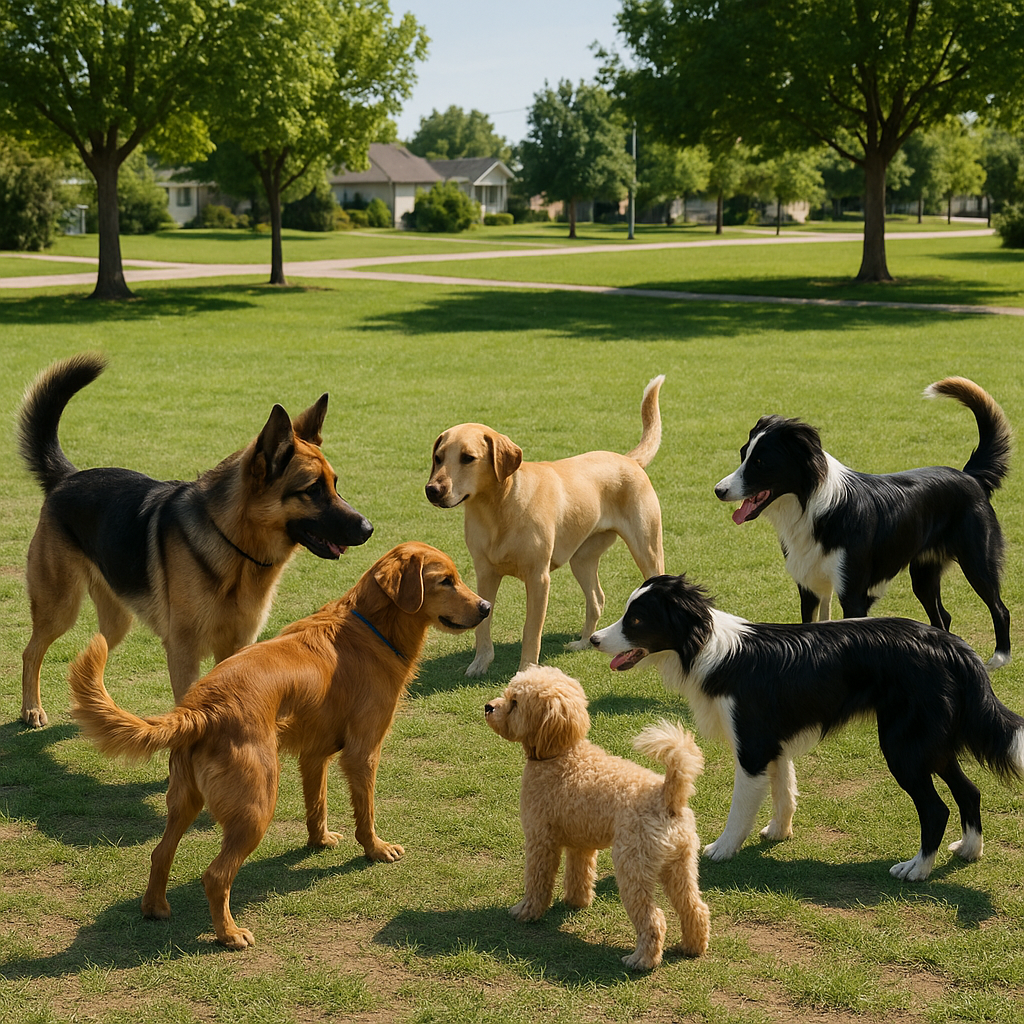
Dogs greet family members with broader, looser, and more enthusiastic tail movements, while their tail movements are more tentative and controlled when meeting strangers. These contextual differences enable dogs to navigate complex social environments effectively, using appropriate signals for each situation.
During play, healthy tail language includes medium to high position with loose, fluid movement, often accompanied by the classic "play bow" posture. This contrasts sharply with confrontational scenarios where tails become stiffer, higher, and more controlled. These changes signal heightened awareness and potential aggression. Understanding these differences helps owners distinguish between normal play behavior and concerning interactions that might require intervention.
Training sessions bring their own context to tail movements. An engaged, learning dog often shows a mid-position, gently wagging tail indicating focus and positive arousal. As training progresses successfully, the wag may become more pronounced with excitement. Conversely, a dog struggling with training pressure might display lower tail carriage or tucking, signaling stress that could impede learning if not addressed.
Interpreting Tail Wags at Home vs. in Public
Dogs typically display their most relaxed, authentic tail language at home in familiar surroundings. The tail may hang in a natural, breed-appropriate position with gentle, loose movements signaling contentment. When the doorbell rings or a family member returns, the tail often elevates and wags more enthusiastically, indicating positive excitement in a secure environment.
In public settings, many dogs show more reserved or vigilant tail positions. Even confident dogs may hold their tails slightly higher and move them more deliberately while assessing unfamiliar environments. Anxious dogs might carry their tails lower than their normal home position or tuck them intermittently when encountering stressors like crowds, unfamiliar dogs, or unusual sounds.
When approaching an unfamiliar dog, always watch for tail signals before initiating contact. A neutral or slightly lowered tail with gentle movement suggests receptiveness to greeting. Never approach a dog showing a stiff, high tail or a tucked tail. These extremes indicate potential aggression or fear, respectively. Instead, give the dog space and allow them to approach at their comfort level, watching for relaxation signals before engaging.
How to Respond to Your Dog's Tail Language and Improve Your Bond
Becoming fluent in your dog's tail communication creates opportunities for deeper connection and more effective responses to their needs. Start by establishing your dog's personal baseline. Every canine has individual tail carriage tendencies based on breed, personality, and physical structure. Once you recognize their "normal," deviations become more meaningful signals requiring attention.
When your dog displays positive tail language, relaxed and medium-height wagging, reinforce this comfortable state with calm praise, gentle petting, or simply allowing them to continue their current enjoyable activity. This positive reinforcement helps your dog associate relaxation with rewards, encouraging more balanced emotional states over time.
For signs of stress or fear like tail tucking, respond by removing stressors when possible or creating distance from threatening situations. Never force a frightened dog to "face their fears" through exposure. This can worsen anxiety and damage trust. Instead, acknowledge their discomfort by providing space, then gradually build confidence through positive associations with previously frightening stimuli at a comfortable distance.
Aggressive or over-aroused tail signals, such as high, stiff, rapid movements, require calm, confident handling. Redirect your dog's attention to an alternative behavior before tension escalates. For persistent aggression issues, consult a qualified behaviorist who uses positive reinforcement techniques. Addressing these concerns early prevents dangerous escalation and protects everyone's safety.
Conclusion
Your dog's tail provides a constant stream of emotional information that, when properly interpreted, enhances your relationship and ensures safer interactions. By understanding that tail communication goes far beyond simple happiness, you'll develop deeper insight into your companion's feelings, needs, and responses to their environment.
Remember that tail language forms just one part of your dog's communication system. Always consider the whole picture including facial expressions, ear position, body tension, and vocalizations. This complete understanding helps you respond appropriately to your dog's changing emotional states, building trust and security in your relationship.
With practice and observation, you'll become increasingly fluent in your dog's unique dialect of tail language. This awareness transforms everyday interactions into meaningful conversations between species, creating a more harmonious household where both human and canine needs are recognized and respected.
Frequently Asked Questions
Does a Wagging Tail Always Mean a Dog Is Happy?
Not necessarily. A wag can indicate various emotions including excitement, fear, or agitation. Context and body language matter.
What Does It Mean If My Dog Wags Its Tail to the Left vs. the Right?
Research suggests right-side wags are associated with positive emotions, while left-side bias may indicate insecurity or unease.
How Do Dogs With Docked or Naturally Short Tails Communicate?
They rely more on other body cues such as posture, ear position, and facial expressions. Spend extra time learning your individual dog's signals.
Can I Use Tail Movements to Prevent Dog Fights or Bites?
Recognizing warning signals, like high stiff tails or low tail wagging with tension, can help you intervene early and prevent escalation.
Why Does My Dog Stop Wagging His Tail and "Freeze" During Some Encounters?
This could be a sign of stress, discomfort, or a warning. Always respect a dog's need for space and consult a professional if unsure.