

6 Effective Ways to Relieve Your Dog's Itchy Paws at Home
Nothing is more distressing than watching your beloved dog constantly lick, chew, or gnaw at their paws. Those itchy paws in dogs can signal anything from minor irritation to more serious underlying health issues, causing discomfort and frustration for your furry friend. While severe or persistent cases warrant veterinary attention, many mild to moderate cases of dog itchy paws can be effectively managed with proper home remedies and care.
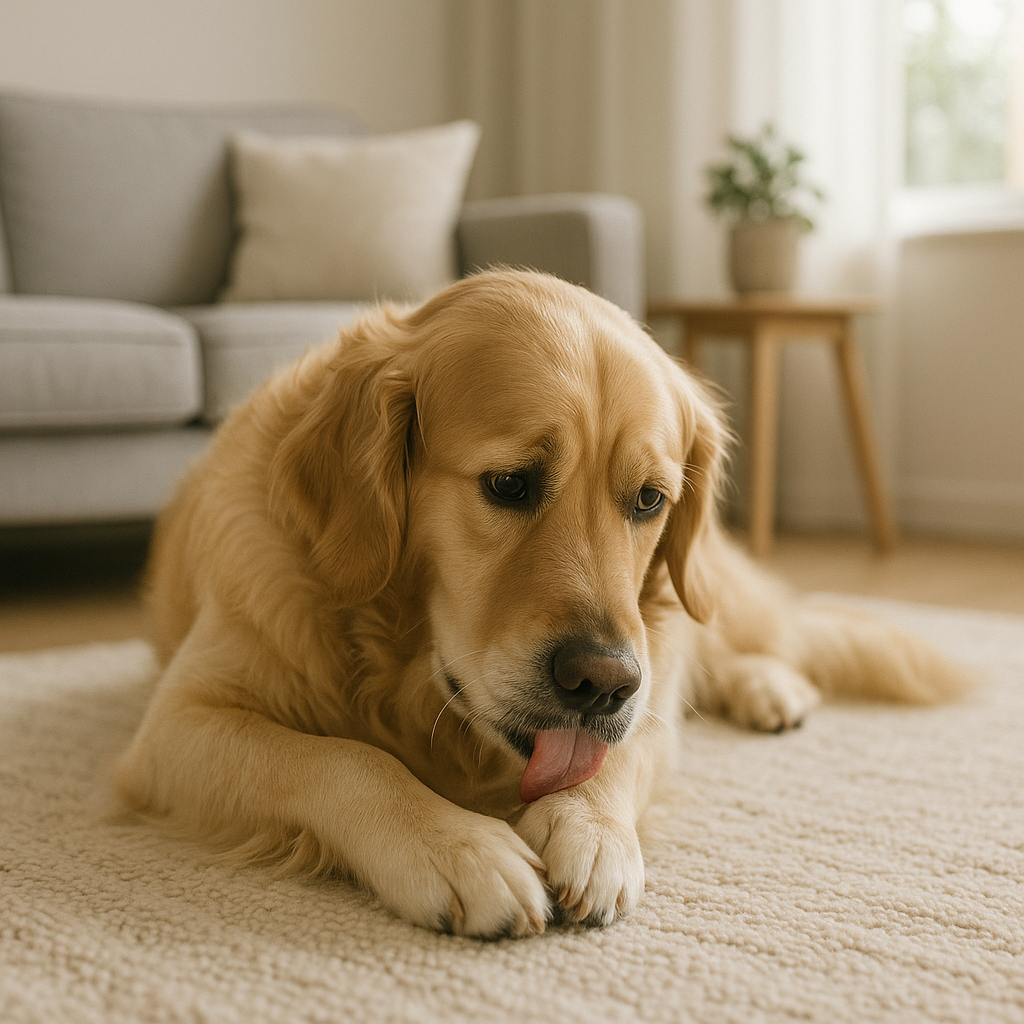
In this guide, we'll explore practical home remedies for dog itchy paws that can provide much-needed relief. You'll learn how to identify common causes, implement effective treatment strategies, and understand when professional help becomes necessary.
Understanding why your dog's paws are itchy
Before attempting to treat your dog's itchy paws, it's important to understand what might be causing the irritation. Dogs experience paw discomfort for various reasons, and identifying the underlying cause can help determine the most effective remedy.
Allergies rank among the most frequent reasons for dog paw itching, with food and environmental triggers being especially common. These allergies can cause inflammation between toe pads and general paw irritation. Your canine companion might be reacting to pollen, grass, certain cleaning products, or even ingredients in their food.
Bacterial or yeast infections often develop in the moist areas between paw pads, especially in dogs with allergies or those who frequently walk on wet surfaces. These infections create a distinct musty odor and may cause redness, swelling, or discharge.
Dry or cracked paw pads can result from exposure to harsh surfaces, extreme temperatures, or insufficient moisture. These tiny cracks can become irritated and uncomfortable, leading to excessive licking.
Contact irritants like lawn chemicals, road salt, or cleaning solutions can cause immediate irritation when they come into contact with sensitive paw tissue. Additionally, foreign objects such as splinters, foxtails, or small stones can become lodged between paw pads, causing significant discomfort.
6 Effective at-home remedies for dog itchy paws
Before trying any home remedy, remember to test it on a small area first and never apply treatments to open wounds or severely inflamed skin. If symptoms persist or worsen after attempting these remedies, consult your veterinarian promptly.
1. Regular paw cleaning and hygienic wipes
One of the simplest yet most effective ways to relieve canine paw discomfort is through regular cleaning. This removes potential allergens, irritants, and excess moisture that could contribute to inflammation or infection.
How to do it:
- gently wipe your dog's paws with pet-safe wipes after walks or outdoor play
- pay special attention to the areas between toe pads where debris often collects
- for more thorough cleaning, use warm water and a mild, pet-safe soap
- always dry thoroughly, as moisture can contribute to bacterial or yeast growth
This method works particularly well for dogs with environmental allergies or those regularly exposed to outdoor irritants. According to veterinary dermatologists, simply removing allergens before they can be absorbed into the skin can significantly reduce allergic responses.
2. Paw balm or moisturizer
For dogs with dry or cracked paw pads, appropriate moisturizing can provide significant relief and prevent further irritation. However, it's crucial to use products specifically formulated for canine use.
Application tips:
- choose a pet-safe paw balm without harmful ingredients
- apply a thin layer to clean, dry paw pads
- distract your dog for a few minutes while the balm absorbs to prevent licking
- use booties or socks if necessary to prevent immediate removal
- apply before bedtime when your dog will be less active
Never use human moisturizers containing potential toxins like zinc oxide, lidocaine, hydrocortisone, as these can harm your dog if ingested. Products containing natural ingredients like coconut oil, shea butter, and beeswax are generally safer options, though individual reactions can vary.
3. Oatmeal paw soaks
Colloidal oatmeal has long been recognized for its anti-inflammatory and soothing properties, making oatmeal baths for dog paws an excellent option for relieving irritation and itchiness.
How to prepare:
- grind plain, unflavored oatmeal into a fine powder using a food processor or coffee grinder
- add one cup of colloidal oatmeal to a gallon of warm (not hot) water
- stir until the water becomes cloudy and slightly milky
- soak your dog's paws for 5-10 minutes
- gently pat dry, ensuring no moisture remains between toe pads
This remedy is particularly helpful for dogs with general inflammation or mild allergic reactions. The natural compounds in oatmeal help restore the skin's normal pH and create a protective barrier against irritants.
4. Diluted apple cider vinegar rinses
Apple cider vinegar for dog paws offers antimicrobial properties that can help address mild bacterial or yeast overgrowth, which often contributes to paw itching and discomfort.
How to use:
- mix equal parts of raw, unfiltered apple cider vinegar and water
- apply the solution to a clean cloth or use as a shallow foot bath
- soak paws for no more than 2-3 minutes
- thoroughly dry paws afterward
Important caution: Never use apple cider vinegar on broken skin, open wounds, or severely irritated paws as it will cause significant pain and could worsen inflammation. If your dog reacts negatively to this treatment, rinse the paws immediately with clean water and discontinue use.
5. Dog booties (barrier method)
Sometimes, the best approach is to create a physical barrier between your dog's sensitive paws and environmental irritants.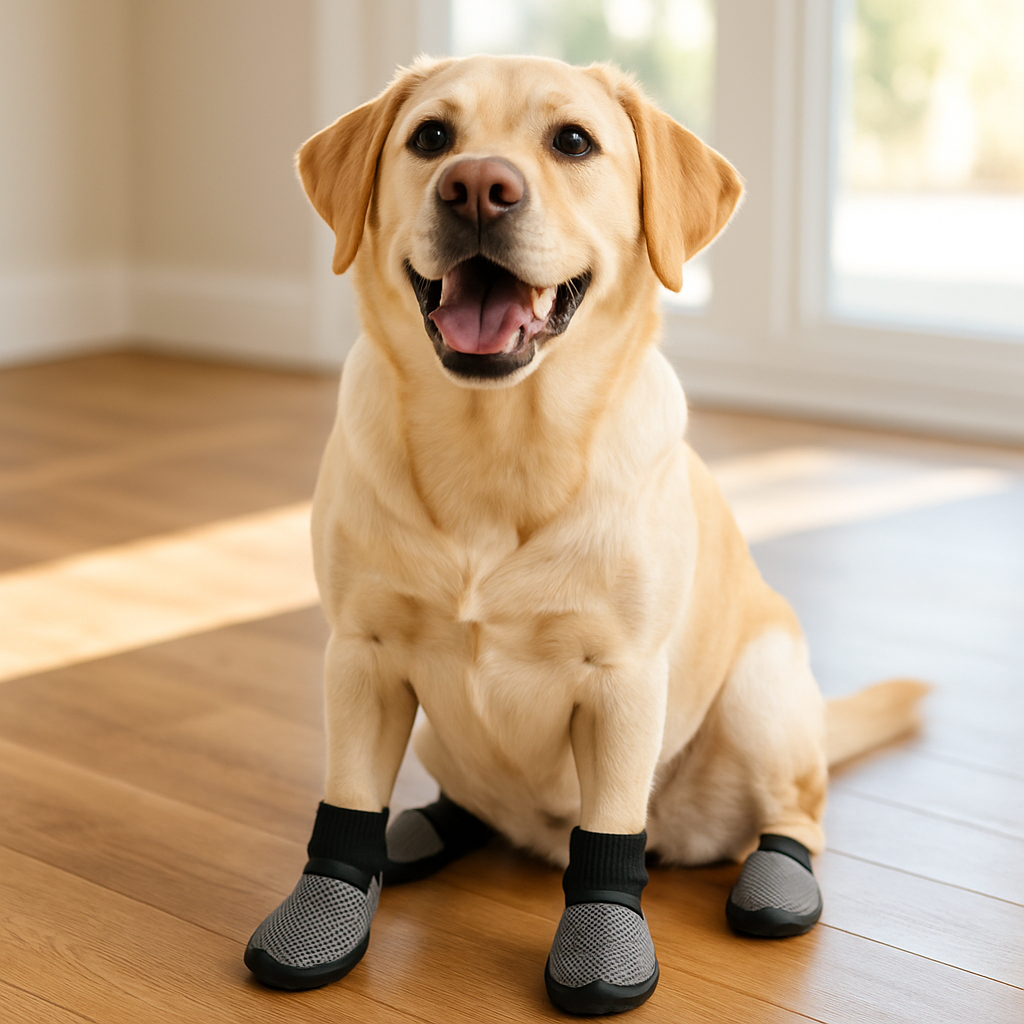
Dog booties for allergies provide this protection while also preventing excessive licking and chewing.
Effective use:
- choose breathable, waterproof booties with secure fasteners
- introduce booties gradually, with positive reinforcement and treats
- ensure proper sizing:too tight can restrict circulation, too loose can cause trips
- remove regularly to allow paws to breathe and check for any new irritation
- wash booties frequently to prevent buildup of allergens
This approach works especially well for dogs with known environmental allergies to substances like certain grasses, pollens, or chemical lawn treatments. Booties can also protect paws after applying topical treatments, giving medications time to work without being licked away.
6. Nutrient-Rich Dog Food for Skin and Paw Health
Addressing paw irritation from the inside out often starts with what goes into your dog’s bowl. For dogs with chronic skin sensitivities, switching to a high-quality, nutrient-dense diet can provide longer-term relief by supporting skin barrier function and reducing internal inflammation.
Certain ingredients are especially valuable when it comes to skin and coat health. Fish-based proteins like white fish offer a highly digestible source of essential amino acids, while naturally supplying omega-3 fatty acids that help soothe irritated skin. Additional ingredients such as salmon oil and krill increase the levels of EPA and DHA, two fatty acids that regulate inflammation and promote coat shine, hydration, and elasticity.
When transitioning to a skin-focused diet, it’s important to give your dog time to adjust. Improvements in paw condition and coat quality may take four to eight weeks to become noticeable. Be consistent with feeding, and monitor for any sensitivities or digestive changes. Over time, a well-formulated diet can become one of the most effective tools for managing paw irritation by working from within to support long-term skin health and comfort.
When to seek veterinary help for your dog's itchy paws
While home remedies can effectively manage mild cases of paw irritation, certain signs indicate a need for professional veterinary care.
Watch for these red flags that suggest your dog needs medical attention:
- severe swelling, redness, or warmth around the paw
- persistent limping or refusal to put weight on the affected paw
- discharge, bleeding, or foul odor
- visible wounds, cuts, or punctures
- excessive licking that creates bald or raw spots
- symptoms that worsen or don't improve within 48-72 hours of home treatment
- recurring episodes of paw irritation despite preventive measures
Remember that underlying medical issues (including autoimmune disorders, hormonal imbalances, advanced infections, or parasitic problems) may manifest as paw irritation. A veterinarian can provide proper diagnosis through examination, skin scrapings, or allergy testing when standard approaches fail to resolve the issue.
Preventing itchy paws in dogs
As with many health issues, prevention offers the best approach to keeping your dog's paws comfortable and irritation-free.
Incorporate these preventive measures into your regular pet care routine:
- Regular grooming: Trim the hair between paw pads to reduce trapped moisture and debris. Keep nails properly trimmed to prevent abnormal pressure on paws during walking.
- Paw hygiene: Wipe paws after walks and outdoor activities, especially during allergy seasons or after exposure to potentially irritating substances.
- Moisture management: Thoroughly dry paws after baths, swimming, or walks in wet conditions to prevent the moist environment that encourages yeast and bacterial growth.
- Environmental awareness: Be mindful of lawn treatments, road salt, and household cleaners that could irritate sensitive paw tissue.
- Regular inspection: Check between toe pads weekly for early signs of irritation, foreign objects, or abnormalities.
- Dietary considerations: Provide high-quality nutrition with appropriate fatty acid balance to support skin health from within.
For dogs with seasonal allergies, tracking symptoms alongside environmental changes can help identify specific triggers. This information allows you to take preventive action, such as using protective booties during high-risk periods or adjusting walking routes to avoid problematic areas.
Frequently asked questions
What causes itchy paws in dogs?
Allergies (environmental or food), skin infections, contact irritants, and dry/cracked skin are top causes of dog paw itching.
Is it safe to use apple cider vinegar on my dog's itchy paws?
Diluted apple cider vinegar can relieve mild yeast/bacterial irritation, but only on unbroken skin. Avoid use on open cracks or wounds.
How do I stop my dog from licking their paws all the time?
Identify and address the underlying cause (allergy, infection, irritant); use home remedies, booties as barriers, or consult your vet for persistent licking.
When should I take my dog to the vet for itchy paws?
If the paws are swollen, bleeding, foul-smelling, if home care fails to improve symptoms within a few days, or if your dog is in pain or limping, seek veterinary attention.