



Crusty Nose on Dog: Causes and Treatments Explained
Many dog owners become alarmed when their pet's nose turns dry, cracked, or crusty. While a moist nose is considered a sign of good dog health, a crusty nose can point to everything from harmless habits to underlying medical conditions.
In this comprehensive guide, we'll break down the most common causes of a crusty nose on dogs, how to determine the severity, and the best treatments to restore canine comfort and wellness. Dog paw problems can sometimes correlate with nose issues, as seen in conditions like Pododermatitis, where skin inflammation affects multiple body areas.
Recognizing a crusty dog nose: signs, symptoms, and when to worry
Before panicking, it's helpful to understand what a healthy vs. unhealthy dog nose looks and feels like. A normal canine nose is typically slightly moist and cool to the touch, though some variation is perfectly normal throughout the day.
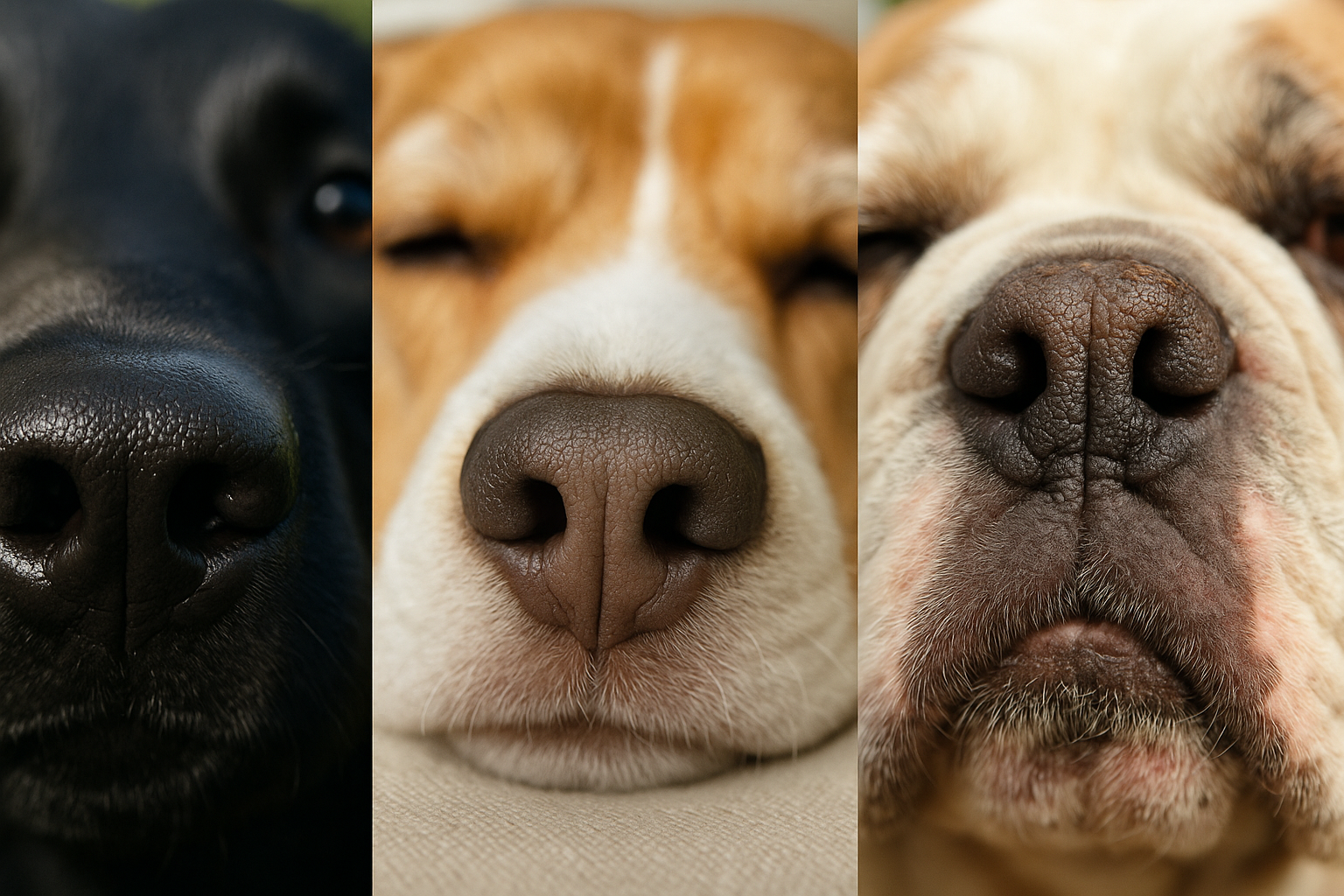
The texture of a dog's nose can naturally fluctuate based on activity level, sleep patterns, and even the surrounding environment. Some breeds and individual dogs naturally have drier noses at certain times—but excessive crustiness, deep cracks, bleeding, or pain often signal something more serious that requires attention.
How to tell a normal dry nose from a serious problem
Normal temporary dryness might appear as:
- slight dryness after napping
- mild flaking that resolves quickly
- occasional dullness with no other symptoms
- texture changes that vary throughout the day
Signs that indicate potential problems include:
- persistent crustiness lasting more than a few days
- thick keratin buildup that looks like extra tissue
- deep cracks that may bleed
- color changes (extreme paleness or unusual redness)
- discharge or mucus
- noticeable discomfort when touched
- accompanying symptoms like lethargy or appetite changes
According to veterinary experts, while the occasional dry nose isn't cause for alarm, persistent symptoms deserve professional evaluation.
If your dog's nose seems unusually crusty or uncomfortable, monitoring changes over 24-48 hours can help determine whether you're dealing with a temporary issue or something requiring medical attention.
Top causes of a crusty, dry, or cracked dog nose
Not all dry or crusty noses mean illness. The causes range from environmental factors to serious medical conditions that require prompt attention.
Breed predisposition
Certain breeds are naturally more prone to developing nasal dryness and crustiness:
- Brachycephalic (flat-faced) breeds like Bulldogs, Pugs, and Boston Terriers
- Labrador Retrievers
- Various terrier breeds
- Senior dogs of all breeds
These canines often have anatomical or genetic factors that make them susceptible to nose dryness. For instance, flat-faced dogs may have difficulty reaching their noses with their tongue for natural moisturizing.
Environmental factors
The surrounding environment plays a significant role in canine nasal health:
- Weather changes, particularly cold winter air or hot summer conditions
- Sunburn from UV exposure
- Low humidity and dry indoor heating
- Seasonal allergies causing irritation
- Exposure to chemicals, including household cleaners
Medical conditions
Nasal hyperkeratosis
This common condition involves excessive keratin production on the nose surface. Keratin is a protein that makes up the outer skin layer, and when overproduced, it creates a thick, crusty appearance. Dog nose hyperkeratosis appears as a rough, thickened tissue that can crack if severe. While often harmless, it can become uncomfortable and requires management.

Autoimmune diseases
- Pemphigus foliaceus: An immune-mediated skin disease causing crusting and lesions on the face, ears, and footpads
- Discoid lupus erythematosus: Often called "collie nose," this condition primarily affects the nose, causing loss of pigmentation, crustiness, and ulceration
Nutritional and metabolic disorders
- Zinc-responsive dermatosis: Particularly common in Siberian Huskies and Alaskan Malamutes, this condition causes crusty, scaly skin around the nose and eyes
- Superficial necrolytic dermatitis: Often linked to liver disease or diabetes, causing severe cracking and crusting
Infections and other medical issues
- Bacterial or fungal infections: Can create crusting, discharge, and discomfort
- Canine distemper: Rare but serious in unvaccinated dogs, often causing hardening of the nose
- Blocked tear ducts or keratoconjunctivitis sicca (KCS): Affects moisture balance
- Dehydration or fever: Can temporarily dry out the nose
Environmental vs. medical causes: how to tell the difference
Environmental causes typically show improvement when conditions change—for example, a nose that's dry in winter may improve with increased humidity or when seasons change. Medical causes tend to persist or worsen regardless of environmental factors and often show additional symptoms beyond just nasal dryness.
Spotlight on nasal hyperkeratosis: why it happens and how it looks
Nasal hyperkeratosis is the most common cause of crusty nose issues in dogs. This condition appears as excess tissue buildup on the nose, creating a rough, sometimes cracked surface that resembles hard skin or extra nose tissue.
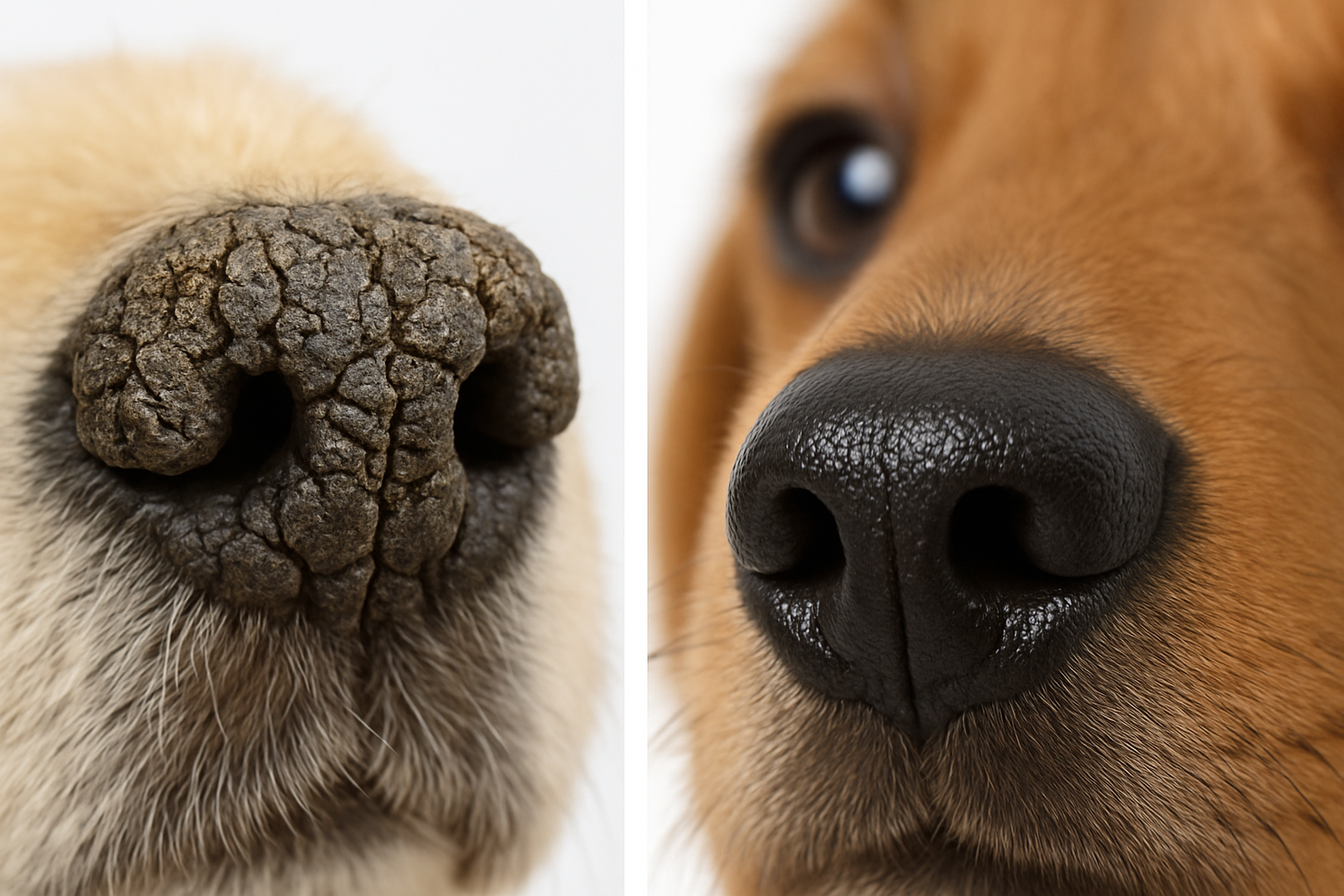
While not typically painful in mild cases, severe hyperkeratosis can lead to deep fissures that may bleed or become infected.
The exact trigger varies—some dogs are genetically predisposed, while others develop it with age or as a secondary symptom of other conditions. Looking for a solution for your dog's dry nose? Consider exploring dog-safe nose care products specifically formulated to address hyperkeratosis and provide lasting comfort.
Diagnosing the issue: when to call the vet
Understanding when to consult a veterinarian is critical for your dog's health and comfort.
Not all nose issues require immediate attention, but certain signs should prompt a veterinary visit.
Call your veterinarian if you notice:
- Cracking severe enough to cause bleeding
- Unusual odor from the nose area
- Colored discharge (yellow, green, or bloody)
- Significant color changes to the nose tissue
- Accompanying symptoms like lethargy, decreased appetite, or fever
- Nose texture changes that persist more than a week
- Signs of pain when the nose area is touched
- Excessive pawing at the nose
The veterinary diagnostic process
When you bring your dog to the vet for a crusty nose evaluation, the process typically includes:
- Physical examination: Close inspection of the nose and surrounding areas
- Medical history review: Discussion of when symptoms began, environmental factors, and breed predispositions
-
Possible diagnostic tests:
- Skin scraping to check for mites or infections
- Biopsy for persistent or concerning lesions
- Blood work to assess for systemic conditions, zinc levels, or autoimmune markers
- Allergy testing if environmental allergies are suspected
Based on these findings, your veterinarian will determine if your dog has primary nasal hyperkeratosis (an isolated condition) or if the nose issues are secondary to another health problem like autoimmune disease or infection.
Dog nose treatments: medical, natural, and at-home solutions
Once the cause of your dog's crusty nose is identified, treatment strategies can range from simple at-home care to prescription medications. The appropriate approach depends entirely on the underlying cause.
Medical therapies
For medically significant conditions, veterinary treatment may include:
- Immunosuppressants: For autoimmune diseases like discoid lupus erythematosus or pemphigus
- Antibiotics: For bacterial infections causing nasal issues
- Antifungal medications: For fungal infections affecting the nose
- Zinc supplements: For zinc-responsive dermatosis
- Specialized diets: For conditions related to food allergies or liver disease
- Medication for underlying conditions: When nasal symptoms are secondary to issues like KCS or systemic illness
Topical and natural care
For many cases, especially those involving simple hyperkeratosis or environmental dryness, topical treatments can be highly effective:
Safe dog nose balms and moisturizers
- Nose balms with natural emollients
- Products containing coconut oil, shea butter, or vitamin E
- Balms specifically designed for canine hyperkeratosis
Softening techniques
- Warm compresses to soften crusts before applying balm
- Gentle soaks with lukewarm water (not hot)
- Steam exposure in bathroom during human showers (brief periods only)
What not to use
Certain products can be harmful and should be avoided:
- Human lip balms containing phenol or artificial flavors
- Petroleum jelly in large quantities (small amounts may be safe but can cause stomach upset if licked excessively)
- Steroid creams without veterinary guidance
- Alcohol-containing products that can further dry the tissue
How to apply nose balm to dogs
Successful application requires technique and patience:
- Start with a clean nose (gently wipe with a warm, damp cloth if needed)
- Apply a small amount of balm to your finger
- Gently massage into the crusty areas using a circular motion
- Consider applying before walks or playtime so your dog is distracted afterward
- Apply 2-3 times daily for best results
Comparing topical products: what ingredients are safe?
When selecting products, look for these beneficial ingredients:
- Safe and effective: Shea butter, coconut oil, olive oil, vitamin E, beeswax, cocoa seed butter
- Potentially beneficial: Calendula, chamomile (in proper formulations for dogs)
- Avoid: Tea tree oil, menthol, camphor, artificial colors, artificial fragrances
Prevention and maintenance
Maintaining nose health involves several preventative strategies:
- Environmental controls: Use humidifiers during dry months, avoid direct sun exposure during peak hours
- Sun protection: Dog-safe nose sunscreens for light-pigmented noses
- Regular maintenance: For breeds prone to hyperkeratosis, establish a routine of gentle cleaning and moisturizing
- Nutrition: Ensure a balanced diet rich in essential fatty acids
Long-term management & preventing recurrence
Some crusty nose conditions, especially breed-related hyperkeratosis, require ongoing management rather than one-time treatment. Establishing a consistent care routine is essential for these cases.
Daily care routines for predisposed dogs
For dogs with chronic nasal dryness or hyperkeratosis:
- Morning and evening application of nose balm
- Weekly gentle exfoliation of excessive buildup (only as directed by your veterinarian)
- Regular nose checks to monitor for changes in texture, color, or severity
- Consistent humidity levels in the home environment
Monitoring for changes
Even with established conditions, be alert for:
- Sudden worsening of symptoms
- Development of new symptoms (bleeding, discharge)
- Changes in nose pigmentation
- Increased sensitivity or pain
Nutritional support
Dietary factors can significantly impact skin and nose health:
- Omega-3 and omega-6 fatty acid supplements
- Appropriate zinc levels (especially for northern breeds)
- Adequate hydration
Regular veterinary monitoring
For dogs with chronic nasal issues:
- Schedule regular veterinary check-ups (every 6-12 months)
- Document treatment responses with photos to track changes over time
- Discuss seasonal adjustments to treatment plans
- Consider dermatology referral for complex or treatment-resistant cases
Breed-specific considerations
Different breeds may require specialized approaches:
- Brachycephalic breeds: May need more frequent cleaning due to difficulty self-cleaning
- Sporting and working breeds: May need extra protection during outdoor activities
- Senior dogs: Often require more intensive moisturizing as age-related dryness progresses
With proper management, most dogs with chronic nose conditions can remain comfortable and active while minimizing symptoms and preventing complications.
Conclusion
A crusty nose on your dog can range from a simple, temporary issue to a sign of an underlying medical condition requiring veterinary care. By understanding the common causes—from environmental factors to hyperkeratosis to autoimmune disease—you can take appropriate steps to address your pet's specific needs.
Remember that while many cases of mild nasal dryness can be managed at home with proper moisturizing and environmental adjustments, persistent or severe symptoms warrant professional evaluation. The right treatment approach depends entirely on accurate diagnosis, and what works for one dog may not be appropriate for another.
With proper care, attention to symptoms, and appropriate veterinary guidance when needed, most dogs can enjoy relief from nose discomfort and maintain optimal nasal health throughout their lives. The key is recognizing when simple home care is sufficient and when more advanced intervention becomes necessary for your canine companion's comfort and wellbeing.
Frequently Asked Questions
What is nasal hyperkeratosis in dogs?
Nasal hyperkeratosis is a common condition where excess keratin builds up on a dog's nose, causing it to become dry, crusty, or thickened. While often not painful, it can indicate underlying health issues in some cases.
When should I see a vet for my dog's crusty nose?
See a vet if your dog's nose is persistently cracked, bleeding, has an unusual odor or discharge, changes color, or if your dog seems unwell overall.
Can I use human creams like Vaseline or Aquaphor on my dog's nose?
Some human products, like plain petroleum jelly, are sometimes used but can be harmful if ingested in large amounts. Always use dog-specific nose balms or consult your veterinarian first.
How can I prevent my dog's nose from getting dry or crusty?
Keep your dog hydrated, protect their nose from harsh environmental conditions, feed a balanced diet, and use humidifiers during dry seasons.
Are certain breeds more prone to dry, crusty noses?
Yes—brachycephalic breeds (pugs, bulldogs), older dogs, certain retrievers, and terrier types are more likely to develop nasal dryness or hyperkeratosis due to genetics or anatomy.