
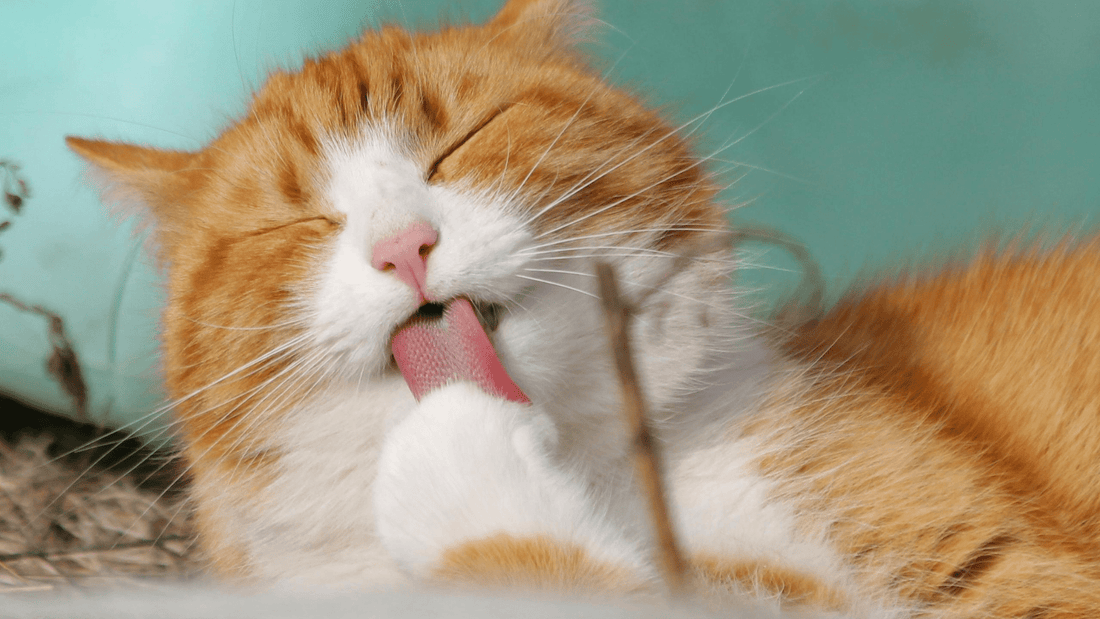
8 Signs Your Cat is Stressed and How to Help
Cats are sensitive and complex creatures whose stress often goes undetected until it manifests as behavioral or health issues. Understanding feline stress is crucial for any pet parent, as our furry companions can't verbalize when they're feeling overwhelmed. Cat stressed signs can be subtle or dramatic, but they all indicate your feline friend needs support. In this guide, we'll explore what causes feline anxiety, how to recognize the warning signals, and practical ways to restore your pet's emotional balance.
What Causes Stress in Cats?
Feline companions experience stress from various sources, ranging from obvious disruptions to subtle environmental changes. According to veterinary behaviorists, cats thrive on predictability, making them particularly vulnerable to changes in their surroundings.
Understanding these triggers is the first step toward helping your anxious pet:
- Environmental changes: moving to a new home, rearranging furniture, or home renovations
- Social disruptions: new family members, visitors, or additional pets
- Sensory overload: loud noises, strong odors, or excessive handling
- Resource competition: insufficient food bowls, litter boxes, or resting areas in multi-cat households
- Health concerns: underlying pain or illness that causes discomfort
- Routine disruptions: changes in feeding schedule, caretaker absence
- Territorial threats: seeing other cats outside or having them trespass into the yard can feel like a territorial invasion
- Inadequate stimulation: lack of appropriate play, hunting opportunities, or mental engagement
It's important to distinguish between acute stress (short-term reactions to temporary situations) and chronic stress (ongoing anxiety that can lead to health problems). While cats may adapt to brief stressful events, persistent stressors can significantly impact their wellbeing.
Cat Personality and Stress Response
Just like humans, each feline has a unique personality that affects how they respond to stressful situations. Some cats are naturally more resilient, while others might be predisposed to anxiety. Shy or timid cats often show more obvious stress responses, whereas confident cats might display more subtle changes. Understanding your individual companion's normal behavior is essential for recognizing when something isn't right.
8 Telltale Signs Your Cat Is Stressed
Recognizing anxiety in your feline friend requires attention to behavioral and physical changes. The following indicators may suggest your companion is experiencing emotional distress:
1. Hiding or Avoiding Interaction
While cats naturally seek solitude at times, excessive hiding or withdrawal often signals discomfort. A stressed feline might spend unusual amounts of time under furniture, in closets, or behind appliances, avoiding previously enjoyed social interactions.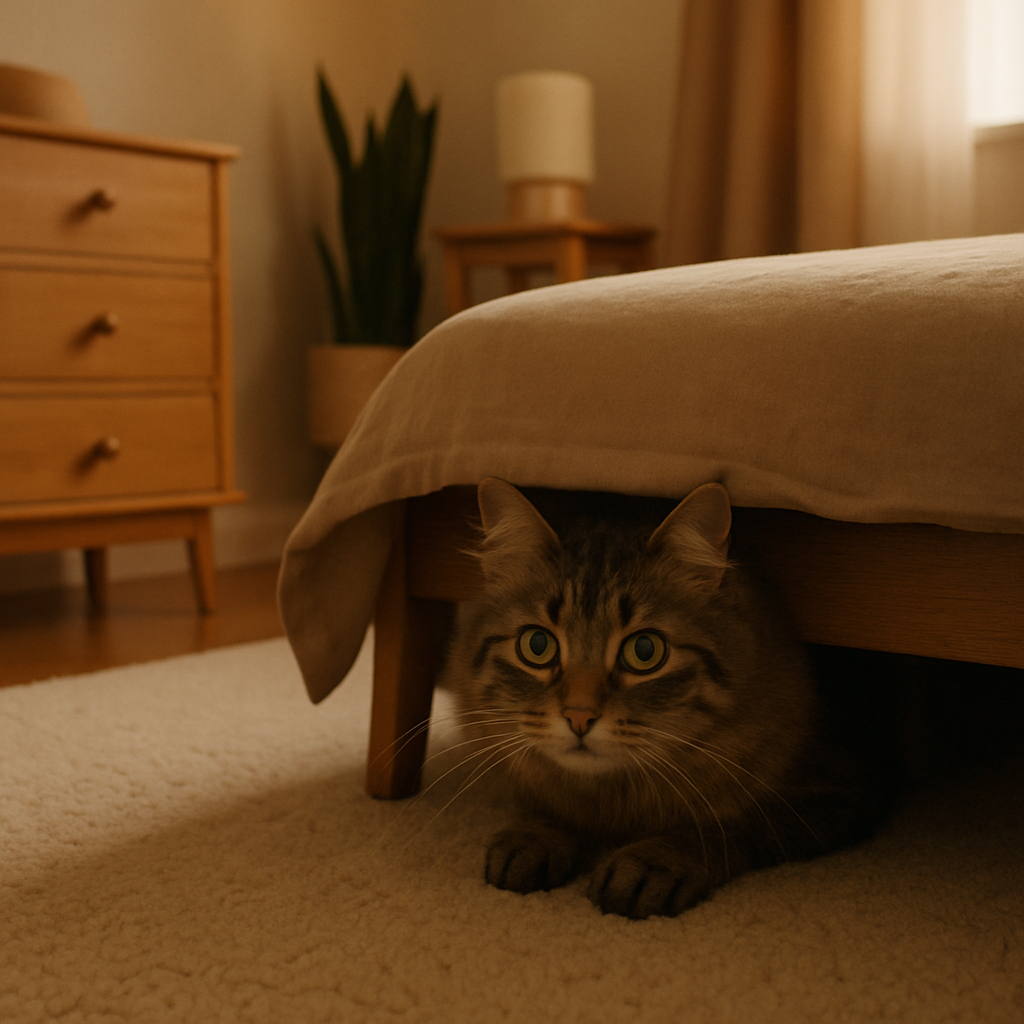
This behavior serves as a protective mechanism, allowing them to observe their environment from a position of perceived safety.
2. Aggression Toward People or Other Pets
Anxiety can transform even the gentlest companion into one showing defensive behaviors. Watch for hissing, swatting, biting, or growling that seems out of character, particularly when approached or during previously normal interactions. Aggression toward other household animals might manifest as chasing, ambushing, or preventing access to resources. These behaviors typically indicate your pet feels threatened and is attempting to protect themselves.
3. Excessive Grooming or Fur Loss
Overgrooming in cats often serves as a self-soothing mechanism during periods of anxiety. You may notice bald patches, particularly on the belly, inside legs, or over the back. Some felines groom so intensely that they develop rashes or skin irritation. This compulsive behavior releases endorphins that temporarily calm them, but ultimately signals underlying distress.
4. Litter Box Avoidance or Accidents
Inappropriate elimination outside the litter box ranks among the clearest indicators of feline anxiety. Veterinarians note that stress can trigger urinary issues including frequent attempts to urinate, straining, or eliminating in unusual locations. A previously well-trained animal suddenly avoiding their litter box often signals either a medical concern or significant emotional distress.
5. Reduced Appetite or Fussy Eating
Changes in eating habits frequently accompany feline stress. Your companion might suddenly refuse favorite foods, eat less than normal, or approach meals with unusual caution. Some anxious pets eat only when nobody is watching or abandon their food at the slightest disturbance. Prolonged appetite changes can lead to concerning weight loss and should prompt veterinary attention.
6. Destructive Scratching or Chewing
While scratching is normal feline behavior, anxiety can intensify this natural instinct. Stressed companions may damage furniture, carpets, or doorframes with unusual determination. Some anxious animals also begin chewing inappropriate items like plastic, fabric, or electrical cords. These behaviors often represent attempts to self-soothe or mark territory when feeling insecure.
7. Excessive Vocalization
Unusual increases in meowing, yowling, or crying often indicate your pet is attempting to communicate distress. Some anxious felines become particularly vocal at night or when left alone. This behavior may represent confusion, discomfort, or an attempt to locate reassurance in an environment that suddenly feels threatening.
8. GI Signs: Vomiting or Diarrhea
The feline digestive system proves remarkably sensitive to emotional states. Stress commonly triggers stomach upset, resulting in vomiting, diarrhea, or constipation without obvious dietary causes. Persistent gastrointestinal symptoms can indicate chronic anxiety affecting your companion's physical health and require veterinary evaluation to rule out other medical conditions.
How to Help a Stressed Cat at Home
Discovering ways to reduce cat stress involves creating an environment where your companion feels secure and understood. The following strategies can help restore emotional balance:
Create a Feline-Friendly Environment
Environmental enrichment forms the foundation of feline stress relief. Provide multiple scratching surfaces with different textures and orientations to satisfy natural scratching instincts. Install cat trees or shelving that creates vertical space, allowing your pet to observe their territory from elevated positions. Designate quiet "safe zones" with comfortable beds in low-traffic areas where your companion can retreat when feeling overwhelmed. Window perches with bird feeders visible outside offer natural entertainment.
Establish Consistent Routines
Felines thrive on predictability, making regular schedules crucial for emotional wellbeing. Feed meals at consistent times using the same dishes in the same locations. Maintain regular play sessions, ideally at times when your companion naturally becomes more active. When changes to routine become necessary, introduce them gradually with plenty of positive reinforcement to help your pet adjust comfortably.
Optimize Litter Box Setup
Proper litter box management significantly reduces anxiety for many cats. Provide one more box than the number of felines in your household, placing them in quiet, accessible locations away from food and water sources. Clean boxes daily and completely replace litter regularly. Experiment with different litter types and box styles if your companion seems dissatisfied with current arrangements.
Use Calming Products Strategically
Several commercial products can help reduce feline anxiety when used correctly. Synthetic facial pheromone diffusers mimic natural calming signals cats produce, creating a sense of security in the environment.
Implement Interactive Play Therapy
Regular play sessions using wand toys, lasers, or interactive puzzles provide physical exercise while strengthening your bond.
These activities release endorphins that counteract stress hormones while satisfying hunting instincts. Food puzzle toys extend mealtime engagement while providing mental stimulation, helping redirect energy that might otherwise manifest as anxiety behaviors.
Ensure Adequate Resources
Resource competition frequently triggers stress in multi-cat households. Provide separate feeding stations placed far enough apart that cats don't feel threatened while eating. Distribute multiple water sources throughout your home. Ensure each feline has access to preferred resting spots, toys, and attention without competition. This resource abundance helps prevent territorial disputes that contribute to chronic anxiety.
When to Seek Veterinary Help
While many stress behaviors respond to home interventions, some situations require professional assessment. Veterinary consultation becomes essential when:
- Behavioral changes appear suddenly or worsen despite home management
- Physical symptoms accompany behavioral signs, particularly changes in urination, defecation, appetite, or grooming
- Aggressive behaviors pose safety risks to humans or other pets
- Self-injurious behaviors develop, such as excessive grooming causing skin damage
- Stress signs persist longer than two weeks despite environmental modifications
Your veterinarian may recommend diagnostic testing to rule out medical causes for behavioral changes. Conditions like urinary tract disease, hyperthyroidism, arthritis, or dental pain can manifest as behaviors easily mistaken for psychological stress. Once medical issues are addressed or ruled out, your veterinarian might suggest behavior modification techniques or refer you to a certified animal behaviorist for complex cases.
In some situations, prescription medications may help manage severe anxiety while behavioral interventions take effect.
Creating a Lifetime of Feline Wellbeing
Identifying and addressing stress in your feline companion requires patience and observation. By recognizing early warning signs and implementing appropriate interventions, you can prevent minor stress from developing into serious behavioral or health issues. Remember that each cat responds differently to various calming techniques, so be prepared to try multiple approaches.
Frequently Asked Questions
How do I know if my cat is stressed or just shy?
Shy cats may simply prefer less social interaction, but a sudden change, hiding more than usual, or combining withdrawal with other signs (grooming, appetite change) may indicate stress. Watch for changes from their normal baseline behavior rather than comparing to other cats.
Can stress make my cat sick?
Yes. Chronic stress can suppress the immune system and contribute to urinary tract issues, digestive problems, skin conditions, and other health problems. Long-term stress hormones affect multiple body systems and can worsen existing health conditions.
Should I get another cat to keep my stressed cat company?
Not always. Some cats prefer being the only pet. Introducing a new cat should be done gradually and with care for both cats' stress levels. If your cat shows signs of loneliness, consider other forms of enrichment before adding another pet.
How long does it take for a cat to adjust to a new environment?
Most cats take a few days to several weeks, depending on their temperament and the situation. Shy or anxious cats may need 4-6 weeks to fully adapt, while confident cats might adjust within days. Provide hiding spots, familiar items, and patience during transitions.